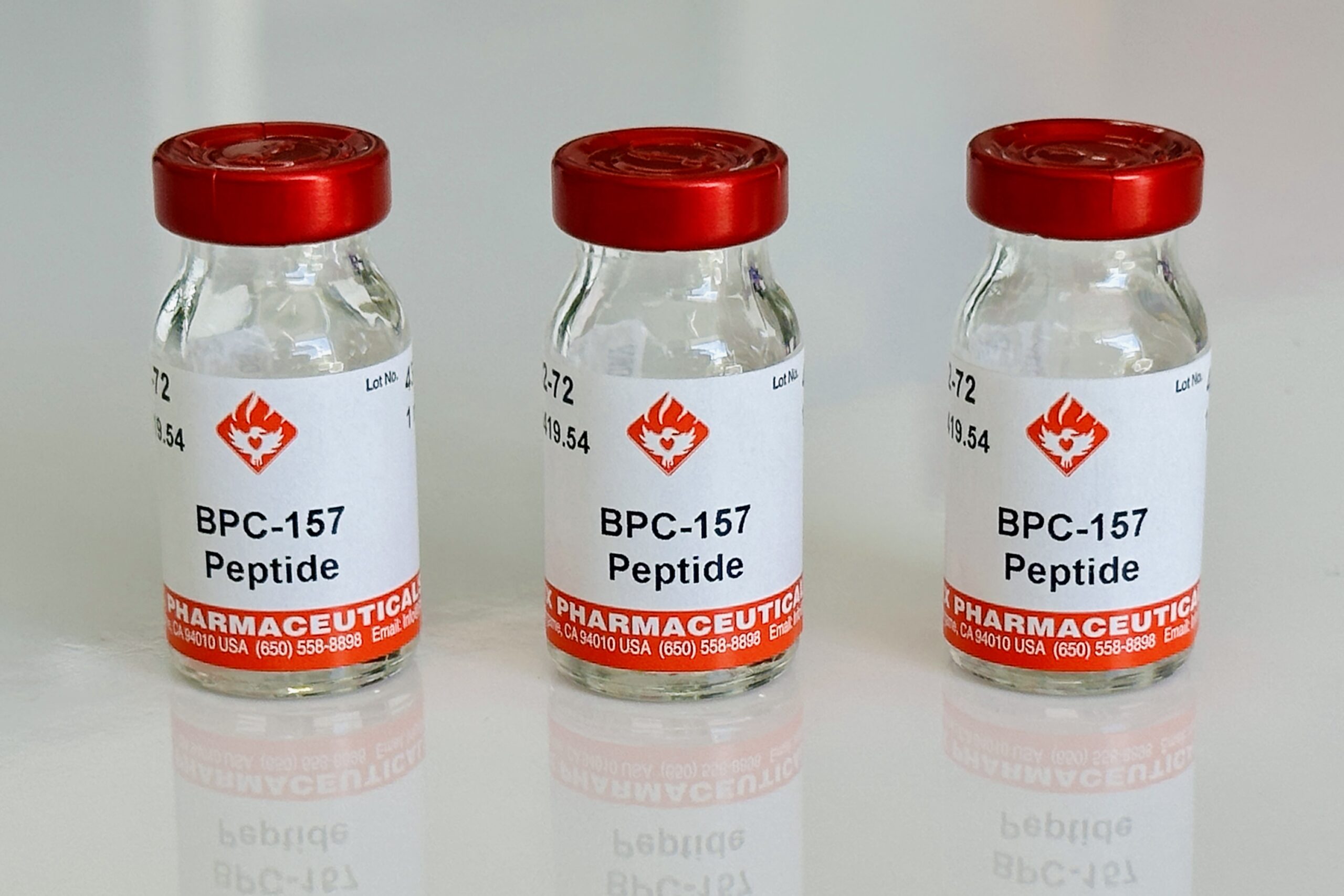
Bpc-157 + Tb500: The Peptide Duo For Next-level Recovery Blog
Raleigh's Physician-led Regenerative Medication Practice BPC-157 has actually been Visit the website nicknamed the "Wolverine peptide" due to its prevalent capability to assist people recover from injuries in record speeds. Individuals have actually declared that it heals joints, solutions intestine problems, and also hones their minds with minimal negative effects. Prior to you employ this plumbing off Craigslist to repair your entire body, be warned. Although BPC-157 is backed by research to be a potential restorative for numerous problems, it is vital to note that these are just preclinical studies. While these tales audio convincing, the peptide has not passed all called for human professional screening yet.
Does BPC-157 help arthritis discomfort?
A peer-reviewed article (Lee et al., Alternate Therapies in Wellness & & Medicine, ~ 2021) describes: 12 clients with persistent knee discomfort. Treated with intra-articular BPC-157, often integrated with TB-500. 7 of 12 reported signs and symptom improvement lasting a number of months.
Continued Research Study On Bpc-157
In addition, as BPC 157 was combined with various substances such as allopurinol, a collaboration in between both chemicals was observed. Biologically, BPC-157 has been revealed to upregulate growth hormone receptors in ligament cells (Chang et al. 2014). This improved tendon cell proliferation and works as proof toward the opportunity of this peptide's healing capacities. For people exploring sophisticated healing strategies, comprehending the use of BPC-157, its management approaches, and its sensible factors to consider is crucial. Whether requested wheelchair, ligament comfort, or whole-body remediation, the peptide's biologic impacts advise us that regeneration is a layered, dynamic procedure.Joint & Bone Health
- Never neglect specialist medical suggestions in looking for treatment due to something you have kept reading the internet site.
- Seiwerth, 'Modulatory effect of stomach pentadecapeptide BPC 157 on angiogenesis in muscular tissue and tendon recovery', J.
- Structures of six metabolites determined by high-performance fluid chromatography-tandem mass spectrometry in rat plasma, bile, pee, and feces following a single intramuscular management of 100 µg/ 300 μCi/ kg of [3H] BPC157.
- However, remarkably one study indicates a slightly various effect of the compound.